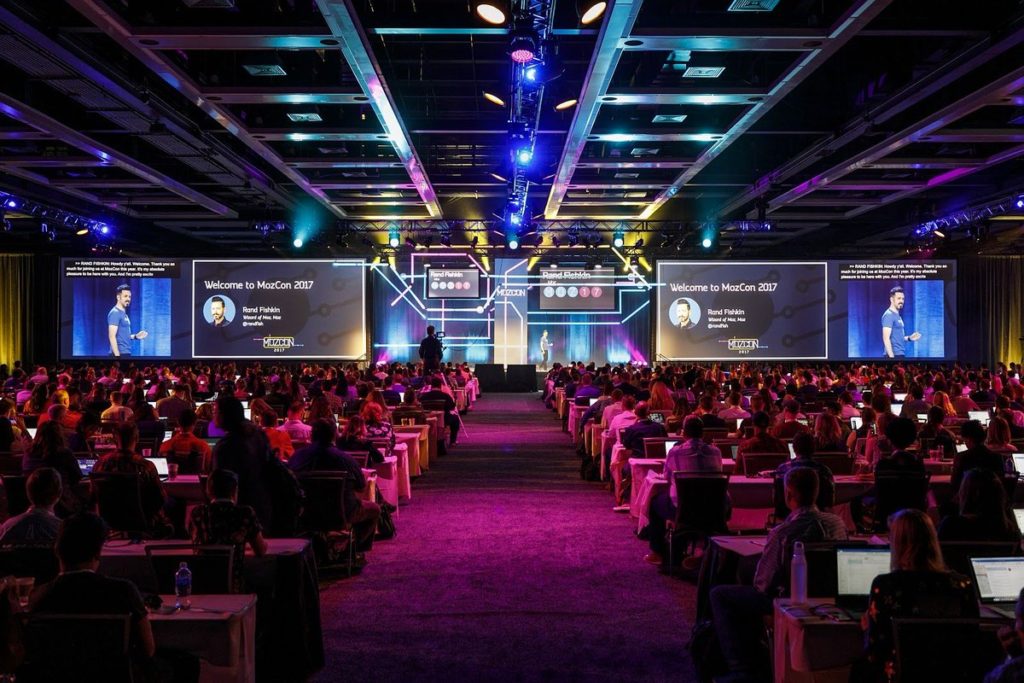
Walk into a modern event venue today, and chances are the screens are doing far more than showing a logo or agenda. They’re alive — streaming sponsor videos, live tweets, audience posts, and real-time updates. That living, breathing experience is what defines a digital signage event.
In essence, digital event signage replaces old-fashioned posters with dynamic LED walls, large displays, and projectors that can be updated anytime. Event planners use it to share information instantly, tell visual stories, and keep attendees connected throughout the day.
From product launches to corporate conferences, these digital displays have changed how brands communicate — making events feel more interactive, memorable, and human.
The Rise of Smarter Displays at Events
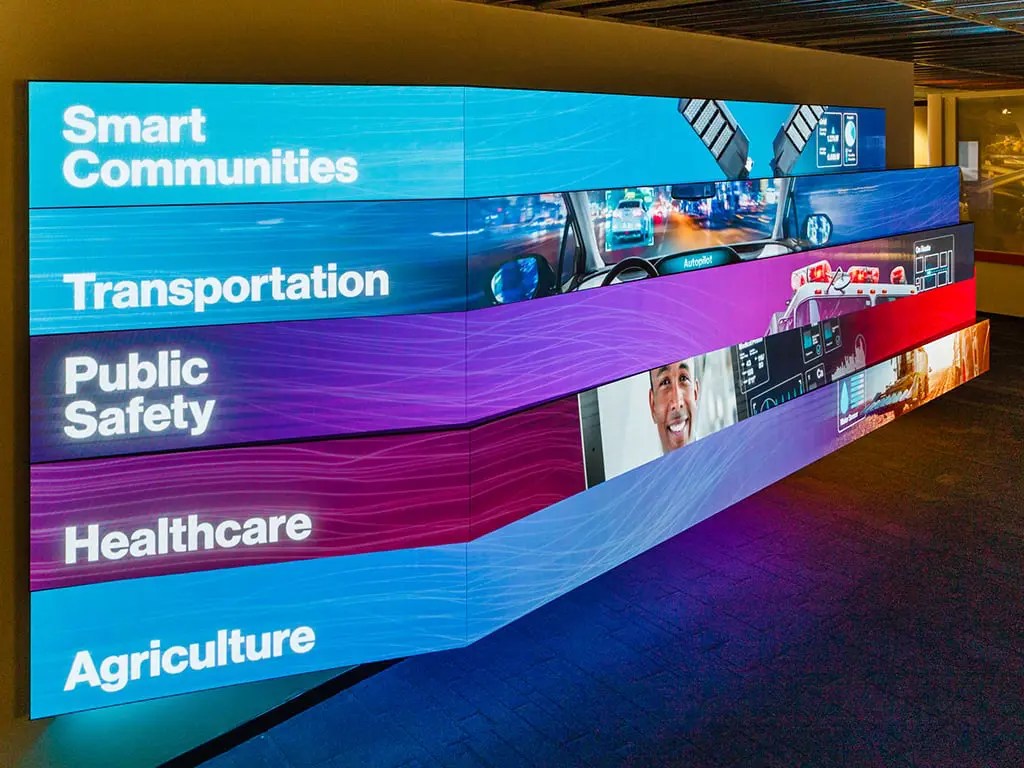
Event communication has evolved rapidly. What used to be static and predictable is now immersive and data-driven. This change gave rise to event digital signage — where content moves, reacts, and updates in real time.
With digital signage for events, organizers can skip the printing rush and make every screen count. Need to announce a session change? Update it in seconds. Want to promote a sponsor? Push it across every display instantly.
It’s sustainable, quick, and visually captivating — turning traditional event spaces into live storytelling zones where information feels as alive as the audience itself.
Why Organizers Are Turning to Digital Signage for Events
Today’s event professionals see digital signage for events as much more than a fancy screen setup. It’s become a strategic engagement tool — and here’s why:
- Total Control: Update visuals, messaging, or schedules instantly.
- Brand Unity: Keep every display consistent with your event identity.
- Eco-Friendly Choice: No printing, less waste, better sustainability.
- Sponsor Visibility: Offer premium on-screen exposure to partners.
- Audience Involvement: Capture attention with motion and design.
No wonder more than 80% of event organizers now use digital displays as part of their engagement strategy — it’s one of the simplest ways to keep audiences informed and inspired.
Inside a Digital Signage Event
Behind every captivating display lies a network of screens, cloud software, and automation tools working together.
Here’s a simple breakdown of how a digital signage event operates:
- Screens & Hardware: LED panels, kiosks, and projection walls show your visuals.
- Content Management System (CMS): Manages your media, playlists, and updates.
- Cloud Access: Keeps everything connected so you can control displays remotely.
- Interactive Add-Ons: Features like polls, QR codes, or touch-screen engagement.
This setup gives event teams freedom to focus on creativity while technology handles the execution.
Boosting Interaction Through Social Media Screens
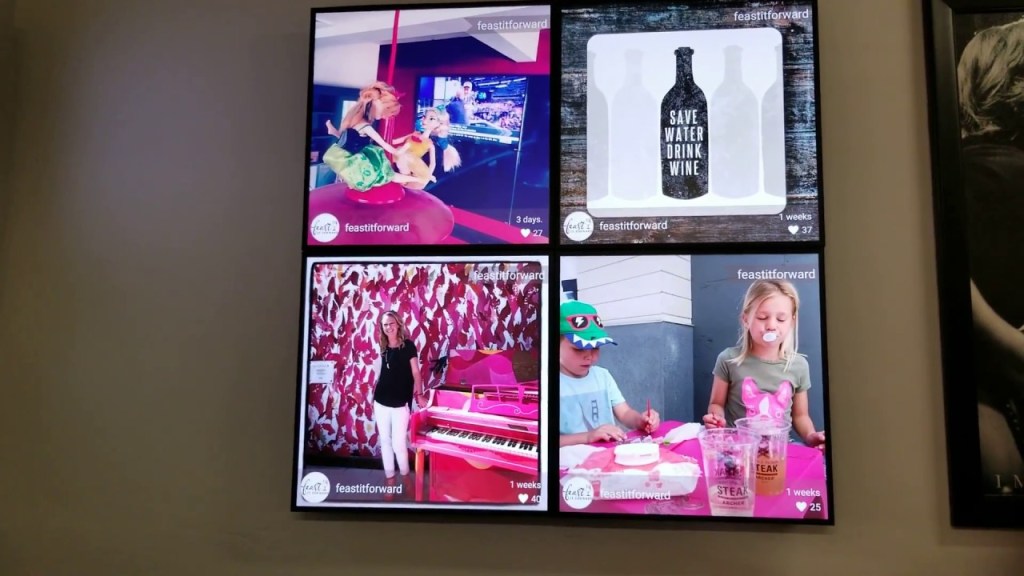
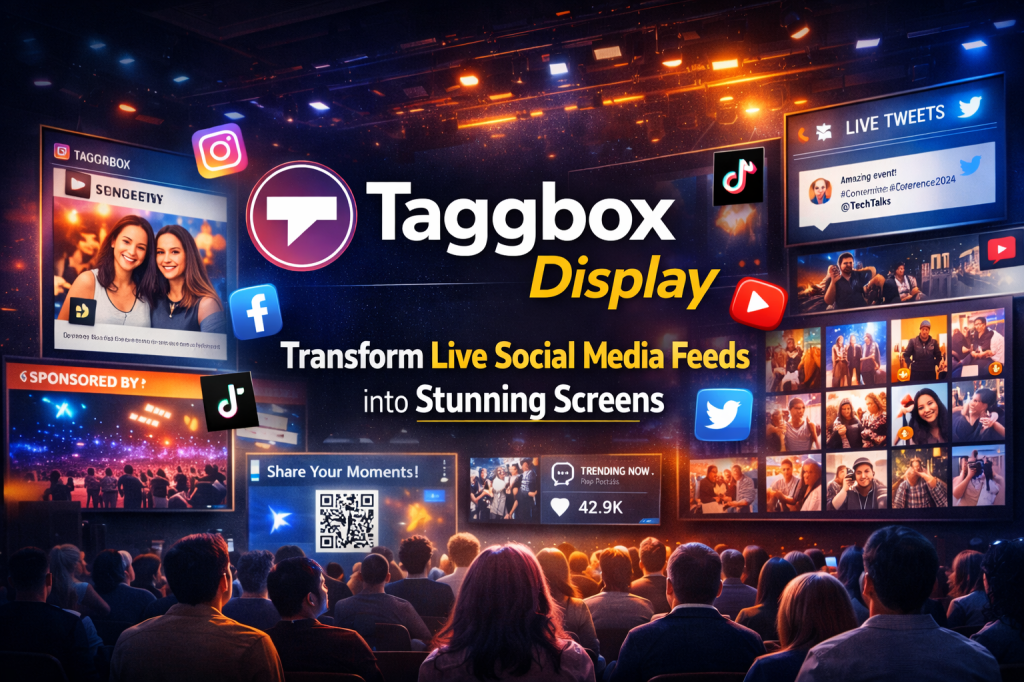
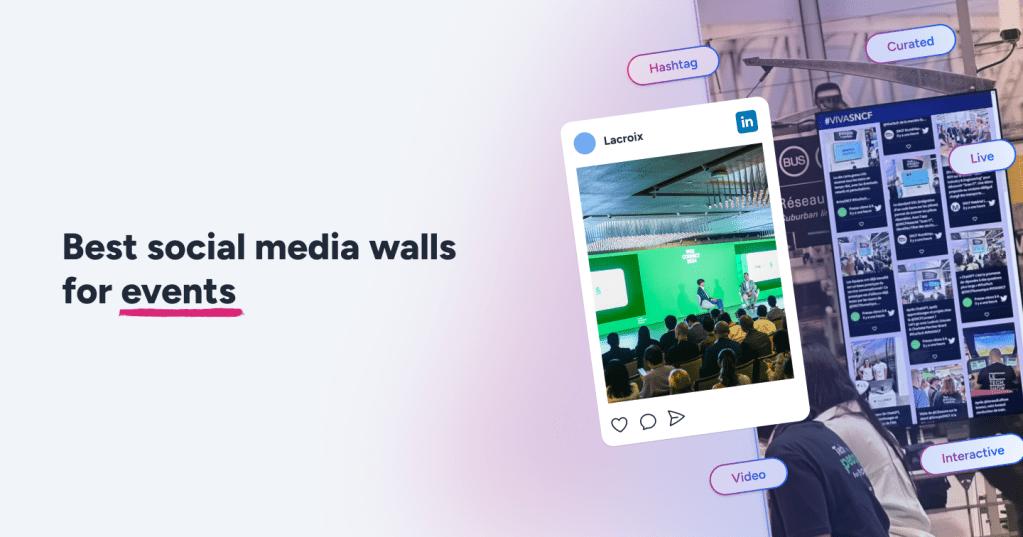
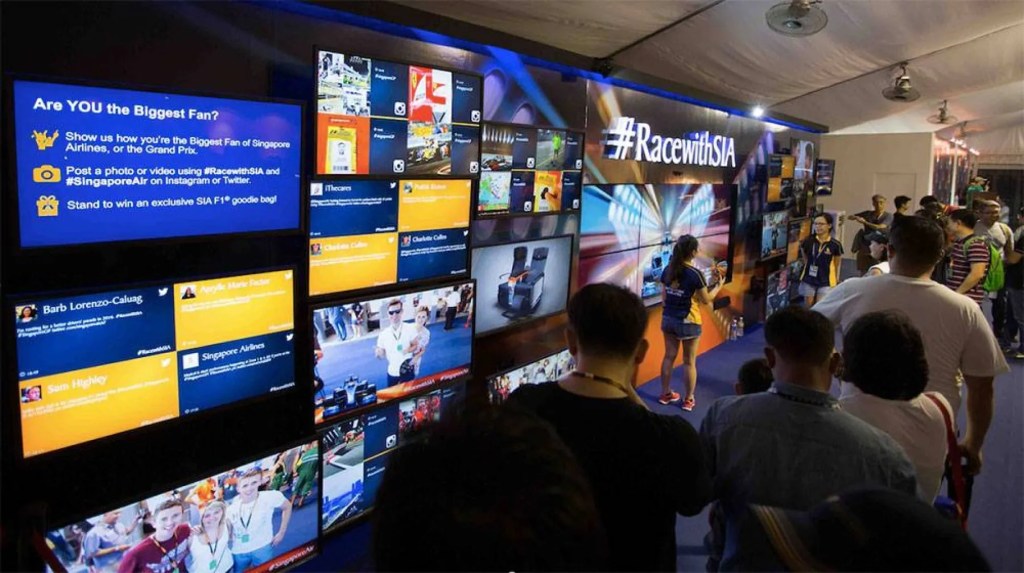
One of the easiest ways to bring your event to life is through social media screens. These digital displays pull in real-time posts, photos, and tweets shared by attendees, creating a live social wall of activity.
It’s powerful because it adds authenticity. People love seeing their content featured on a big screen — it sparks excitement, encourages sharing, and makes them feel part of the event story. Whether it’s a tech summit or music festival, these live feeds turn passive viewers into active participants.
Automation and AI in Digital Signage Conferences
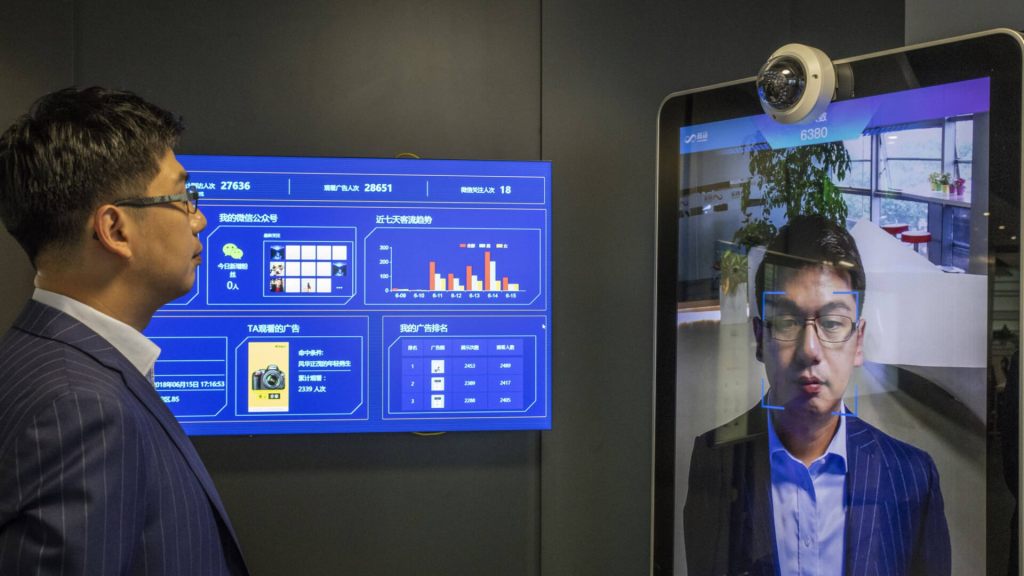
Automation is changing how organizers run digital signage conferences. Instead of manually managing content, AI tools can now analyze engagement, adjust visuals, or promote trending sessions automatically.
Imagine a screen that knows when to highlight the most popular speaker or display the latest social buzz. That’s what modern digital event signage does — it saves time, reduces errors, and delivers smarter engagement moments.
AI-driven scheduling also ensures screens stay relevant to what’s happening right now, without human intervention.
Where Digital Signage for Venues Delivers Maximum Impact
You’ll find digital signage for venues across almost every type of event today:
- Corporate Conferences: Display agendas, speakers, and live updates.
- Trade Shows: Highlight exhibitor booths and product demos.
- Concerts & Festivals: Stream performances and fan interactions.
- University Events: Showcase achievements and social posts.
- Retail Campaigns: Promote influencer content or brand activations.
A unified screen strategy helps audiences navigate easily and keeps branding consistent throughout every corner of the event.
Tips for Running a Successful Digital Signage Event
To make your digital signage event stand out, focus on creativity and timing rather than just screens and tech:
- Plan the Flow: Decide what message belongs where — entry screens, main stage, etc.
- Design for Distance: Use clean layouts, short text, and clear contrasts.
- Update Often: Rotate messages to stay relevant.
- Add Fun: Include polls, live tweets, or leaderboards to engage audiences.
- Manage Centrally: Control every screen from one dashboard for consistency.
A great display strategy doesn’t just look beautiful — it connects people to the story your event wants to tell.
Making Screens Social with Social Walls by Taggbox
If you want to make your event displays even more interactive, Social Walls by Taggbox is a tool worth exploring. It collects real-time content from Instagram, Twitter, LinkedIn, and YouTube, then turns it into a visually engaging wall.
Here’s why event organizers love it:
- Collects and curates live attendee posts automatically
- Lets you moderate what goes live for brand safety
- Offers customizable layouts and themes
- Works seamlessly across all digital signage systems
By combining social interaction with your visual content, there is one social media aggregaotor tools is like Social Walls by Taggbox helps transform a normal screen setup into a dynamic storytelling experience that feels personal and participatory.
The Future of Event Digital Signage
The next chapter of event digital signage is already here — one where screens adapt to audience mood and preferences. Expect AI-driven personalization, emotion-based visuals, and real-time content adjustments based on engagement.
As hybrid events grow, this technology will help bridge physical and virtual audiences, keeping both equally involved. The future belongs to experiences that update themselves as fast as attention shifts.
Final Thoughts
A digital signage event isn’t about technology alone — it’s about connection. It transforms screens into storytellers, turning every display into a chance to engage, inform, and inspire.
Brands can blend live social energy with professional design — turning simple visuals into conversations. Because in the end, the future of audience engagement isn’t just shown — it’s felt.
Frequently Asked Questions
1. What is the main purpose of digital signage for events?
To make communication instant, dynamic, and engaging. Digital signage for events lets organizers show live updates, social posts, or sponsor content across screens in real time.
2. How does digital event signage actually work?
It connects displays to a cloud-based platform where organizers can manage everything — from schedules to videos — and update it anytime, even mid-event.
3. How does digital signage help engage attendees?
By making content visual, social, and interactive. When audiences see live polls, social walls, and dynamic animations, they’re more likely to participate and share.
4. How can I use social media screens at my next event?
Show attendee posts and branded hashtags on social media screens using tools like Social Walls by Taggbox. It’s a quick way to encourage sharing and interaction.
5. Is digital signage for venues useful for small events?
Definitely. Digital signage for venues scales easily — whether you’re hosting a small meetup or a global conference, it keeps communication consistent.
6. What type of content performs best on event digital signage?
Short videos, sponsor visuals, countdowns, and live updates tend to capture attention fastest. Keep text minimal and visuals bold.
7. How much does a digital signage event setup usually cost?
It depends on screen size, number of displays, and software. Platforms like Social Walls by Taggbox offer flexible pricing so you only pay for what you use.
8. Why is digital signage now essential for events?
Because it turns passive viewing into participation. It keeps people informed, excited, and connected — which is exactly what every event needs today.

 Social Media Wall News
Leave a comment