
I’ve managed over 30 virtual events in the past three years, and here’s what I’ve learned: keeping people engaged through a screen is brutally hard. Attention spans are shrinking. Zoom fatigue is real. And yet, some virtual events create genuine connections while others feel like watching paint dry.
The difference? Strategic virtual engagement ideas that make attendees active participants, not passive observers. After testing dozens of approaches, I’ve narrowed it down to ten strategies that consistently work—whether you’re running a 50-person webinar or a 2,000-attendee conference.
Let’s dive into what actually moves the needle for virtual event engagement.
Why Most Virtual Events Fail at Engagement
Before we get to solutions, let’s acknowledge the problem. Traditional presentations don’t translate to virtual formats. People multitask. They check emails. They mute and walk away.
The virtual event attendee engagement statistics are sobering—average attention retention drops to 7-10 minutes for passive content. But when you introduce interactive elements, that number jumps to 30-40 minutes. That’s not theory; that’s what I’ve measured across actual events.
Understanding which virtual engagement ideas work for your specific audience type is critical before implementing any strategy. Your event format, audience size, and objectives all influence which tactics will succeed.
10 Proven Virtual Engagement Strategies
1. Live Polls That Drive Real-Time Decisions
Interactive polling isn’t new, but most people use it wrong. Instead of generic “How are you feeling?” polls, I ask questions that influence the session direction.
At a product launch webinar last month, I polled attendees on which feature demo they wanted to see first. This simple tactic accomplished three things: people paid attention because their vote mattered, we gathered preference data, and attendees felt ownership over the content flow.
How to implement: Use platforms like Slido, Mentimeter, or built-in Zoom polls. Ask questions every 8-10 minutes. Make results visible immediately. This creates anticipation and keeps people checking back.
Best for: Webinars, town halls, training sessions with 20-500+ attendees.
2. Breakout Room Networking Sessions
The number one complaint about virtual conferences? No hallway conversations. Breakout rooms solve this when structured properly.
I’ve stopped doing random breakouts. Instead, I create themed rooms based on attendee interests they selected during registration. Marketing professionals in one room, sales teams in another. Give them a discussion prompt and 10 minutes. People actually network.
Pro tip: Announce a “best insight” share-back session after breakouts. Suddenly people engage more seriously because they might be called on.
Tools needed: Zoom, Microsoft Teams, or any platform with breakout functionality.
3. Gamification Through Leaderboards
Gamification sounds gimmicky until you see it work. At a three-day virtual conference, we ran a points system. Attendees earned points for session attendance, asking questions, networking, and social media shares.
Top 10 scorers won prizes. Engagement skyrocketed. People who’d normally lurk started participating because competition activated something primal.
Implementation: Use virtual event engagement tools like Hubilo, Bizzabo, or create a simple points tracker in a shared Google Sheet displayed on screen. Update it publicly throughout the event.
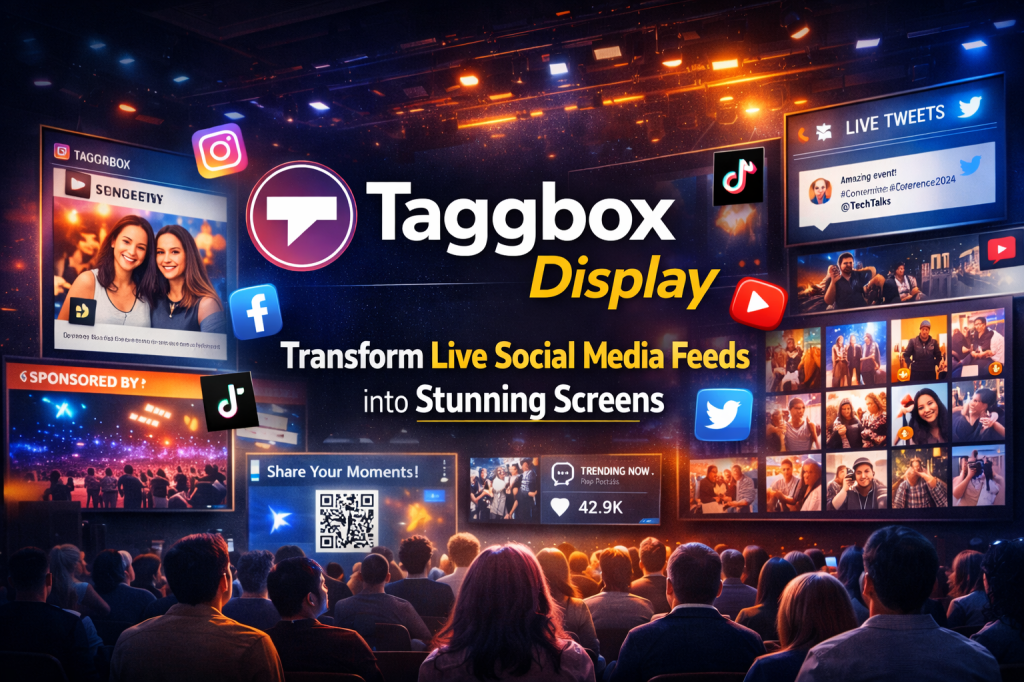
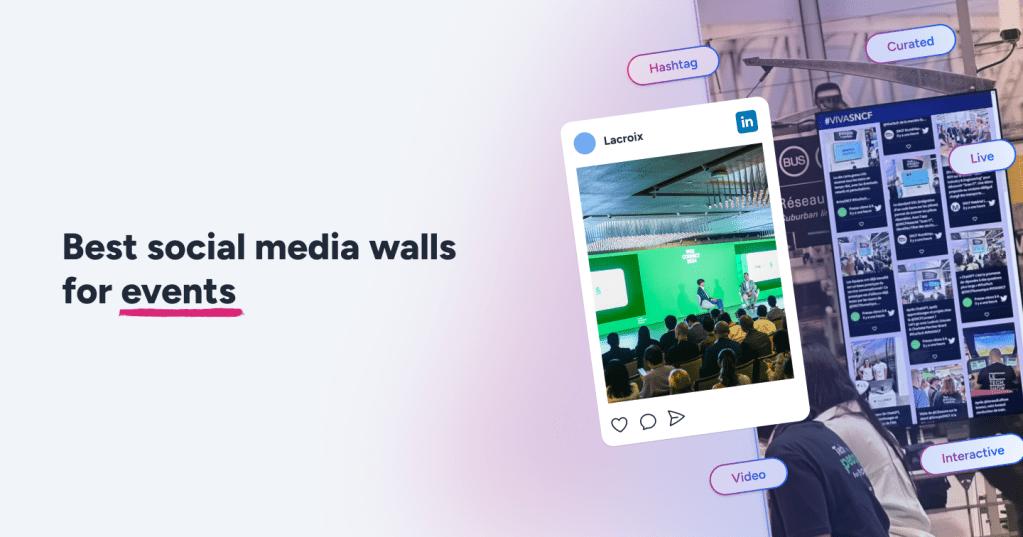
4. Social Media Walls Showing Live Attendee Posts
This is one of the most effective virtual engagement ideas for creating peer-driven participation. Display a live feed of tweets, Instagram posts, and LinkedIn updates using your event hashtag.
When attendees see their content featured during the main session, two things happen: they post more, and others want their moment on screen too. It’s peer-driven engagement that feeds itself.
I embedded a social media aggregator during a hybrid event, and our hashtag usage increased 300% compared to the previous year’s in-person-only event. The virtual attendees finally felt included.
Tools to use: Walls.io, Taggbox, or TINT for social wall displays.
5. Q&A Sessions with Upvoting Features
Standard Q&A sessions waste time on mediocre questions while great questions get buried. Upvoting changes everything.
Platforms that let audiences upvote submitted questions naturally surface the most relevant ones. As a moderator, I focus on what the majority actually wants answered, not just whoever types fastest.
This respects everyone’s time and increases perceived value. Attendees feel heard even if their specific question isn’t answered because they upvoted what got addressed.
Best platforms: Slido, Pigeonhole Live, or Zoom’s Q&A feature with upvoting enabled.
6. Interactive Workshops Over Passive Presentations
The shift from “watching” to “doing” makes all the difference for virtual event attendee engagement. Instead of 45-minute presentations, I’ve moved to 15-minute teaching + 20-minute doing + 10-minute discussion format.
During a virtual marketing workshop, I taught three email strategies, then gave attendees 20 minutes to draft their own email in breakout rooms with peer feedback. People stayed engaged because they were actively creating, not just consuming.
Key insight: Give clear, specific tasks with tight time constraints. Vague “discuss among yourselves” instructions kill momentum.
7. Virtual Event Engagement Technology for Second-Screen Experiences
One-screen events are losing battles. People will use a second screen anyway—usually to check email. So give them a productive second-screen activity.
I’ve created companion apps where attendees access resources, complete challenges, or submit content while watching the main presentation. The smartphone becomes a participation tool, not a distraction.
Event apps with built-in engagement features work brilliantly here. Attendees earn points for completing activities without disrupting the main content flow.
Tools: Eventtia, Whova, or custom event apps with engagement modules.
8. Surprise Guest Appearances and Live Demos
Predictability kills engagement. Surprises revive it. I’ve brought in unannounced industry experts for 10-minute cameos during virtual conferences. Attendance retention spiked immediately when the surprise guest appeared.
Similarly, live product demos—where something could go wrong—create tension that keeps people watching. Pre-recorded videos can’t compete with that authentic, “anything can happen” energy
Tactical tip: Tease “special announcements” without revealing details. Creates anticipation throughout your event.
9. Virtual Engagement Activities for Attendee-Generated Content Contests
Turn attendees into content creators. At a virtual summit, we ran a “best insight” contest. Attendees submitted their key takeaway after each session via Twitter or the event app. Winners got featured during closing remarks.
This created multiple engagement points: people paid closer attention to find insights worth sharing, they crafted posts (deepening learning), and they checked back to see if they won.
The bonus? Hundreds of pieces of authentic user-generated content we repurposed for months afterward.
How to execute: Create clear contest rules, make submission easy (event hashtag, upload button), and showcase winners publicly.
10. Post-Session Discussion Channels
Engagement shouldn’t end when the video stops. I create Slack channels, Discord servers, or LinkedIn groups specifically for post-session discussions.
After a virtual workshop, conversations continued for two weeks in our dedicated Slack channel. Attendees shared implementations, asked follow-up questions, and networked organically. The event became a starting point, not an ending.
This extended engagement increases perceived value dramatically. People remember events where connections persisted, not just where they passively watched content.
Implementation: Set up community spaces before the event, mention them throughout sessions, and seed initial discussions to get momentum going.
Choosing the Right Virtual Event Engagement Strategies
Not every tactic fits every event. When selecting which virtual engagement ideas to implement, consider your audience size, event format, and objectives. Here’s my selection framework:
For large audiences (500+): Focus on polls, social walls, and Q&A upvoting. Personal interaction doesn’t scale, but these tools do.
For small groups (under 100): Prioritize breakout rooms, workshops, and discussion channels. Intimacy is your advantage.
For educational content: Use interactive workshops and post-session discussion channels. Learning requires active participation.
For networking events: Breakout rooms with themes and post-event community spaces are essential.
For entertainment/informal events: Gamification, contests, and surprise elements work best.
Common Mistakes That Kill Virtual Attendee Engagement
Mistake #1: Too many engagement tactics at once
I’ve seen organizers try eight different tools simultaneously. It overwhelms attendees and dilutes impact. Pick three complementary strategies maximum per session.
Mistake #2: Asking for engagement without incentives
“Please participate” doesn’t work. Give people reasons—recognition, prizes, influence over content, or social proof. Intrinsic motivation is rare at virtual events.
Mistake #3: Ignoring the first 10 minutes
If you lose them early, you’ve lost them permanently. Load your best virtual engagement ideas into the first 10 minutes. Start with a poll, pose a controversial question, or show surprising data. Hook them immediately.
Mistake #4: No dedicated engagement facilitator
The presenter can’t present AND manage chat, polls, and breakout rooms effectively. Assign someone to handle audience engagement specifically. This doubled our response rates overnight.
Measuring What Actually Works
Track these metrics to understand which virtual engagement ideas and tools deliver measurable results:
- Active participation rate (percentage who engage vs. just attend)
- Average engagement duration (how long they actively participate)
- Return rate for multi-session events (do they come back?)
- Post-event community activity (did connections persist?)
- NPS scores specifically about engagement (not just content quality)
These numbers tell you what’s working. At one event, I discovered polls had 60% participation while chat had only 12%. We doubled down on polls for future sessions.
Final Thoughts
After 30+ events, here’s what I know for sure: virtual event engagement doesn’t happen accidentally. It requires intentional design, the right technology stack, and constant experimentation.
These ten virtual engagement ideas work because they transform attendees from passive consumers into active participants. They create moments worth showing up for, paying attention to, and remembering afterward.
The virtual event landscape isn’t going away. The events that master engagement will win audience loyalty, justify ticket prices, and deliver actual value. Those that rely on passive presentations will fade into irrelevance.
Make your next virtual event one people actively participate in, not just passively tolerate.

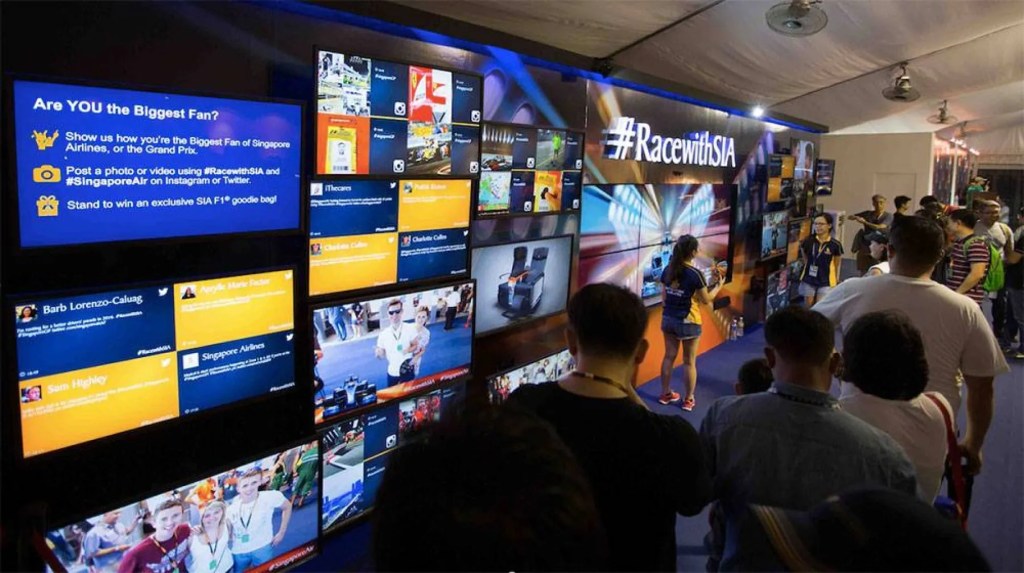
 Social Media Wall News
Leave a comment