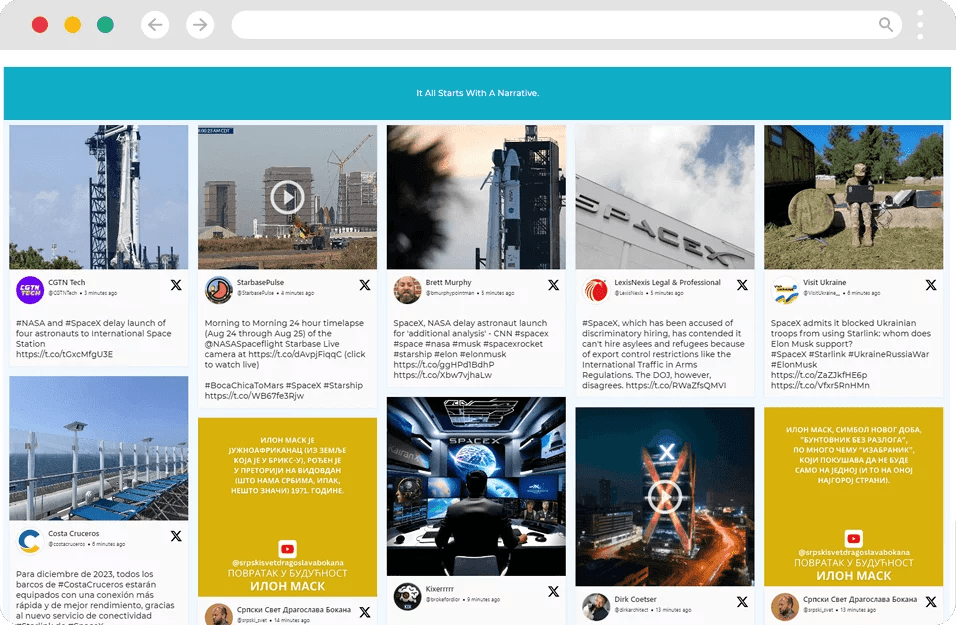
In today’s digital-first world, your website is more than a destination — it’s a dynamic storytelling space. Brands, event organizers, and creators now look for ways to make their online presence more interactive and authentic. One of the most effective ways to do that is by embedding a social media wall on website.
A social media wall pulls together posts, images, and videos from different platforms and displays them beautifully in real-time. Whether you’re running an event, launching a product, or managing a community, a social wall on website can turn casual visitors into engaged followers.
What Is a Social Media Wall?
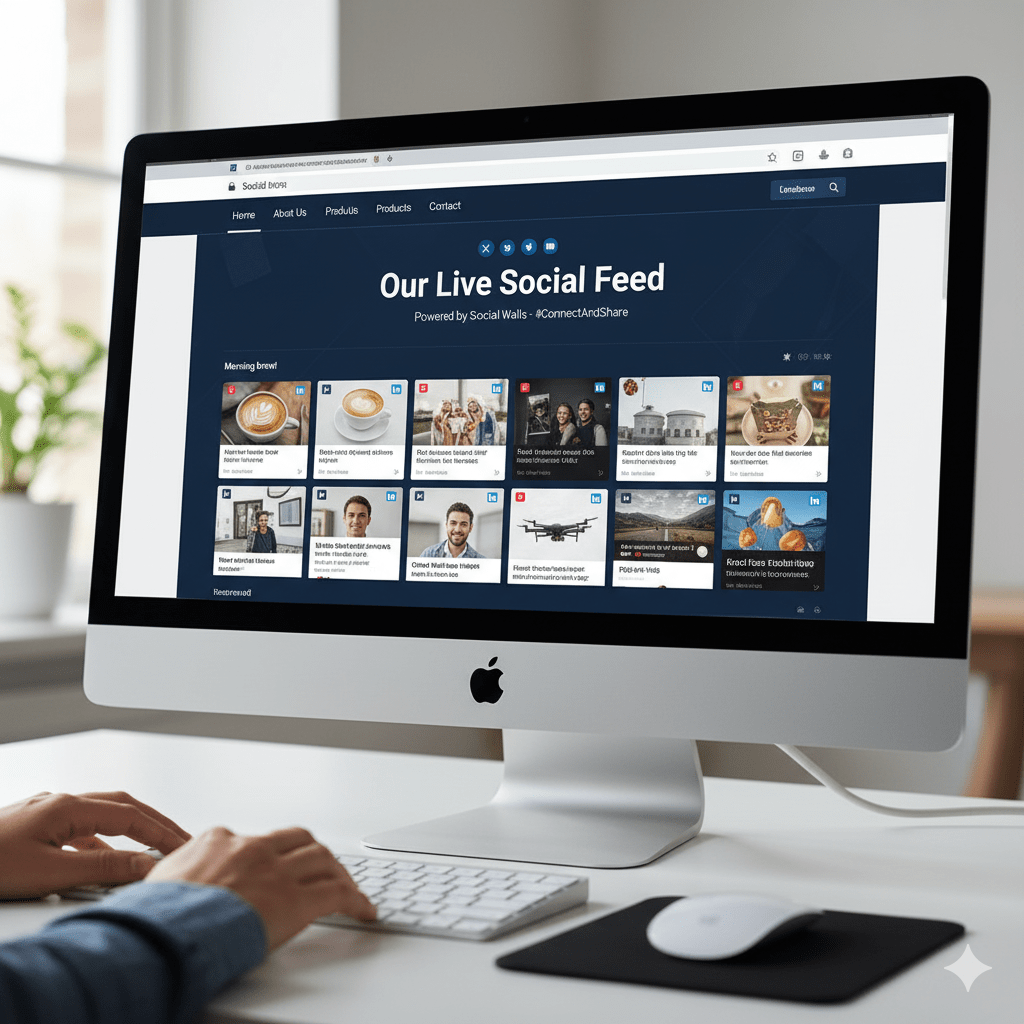
A social media wall is a digital feed that aggregates posts from multiple social media channels like Instagram, X (Twitter), LinkedIn, YouTube, or Facebook. It curates them into a unified display that updates automatically as new content appears.
For websites, a social media wall website acts as a live, visual extension of your brand’s social presence. It’s not just a widget — it’s a storytelling medium that connects user-generated content (UGC) and brand messaging in one place.
What Are the Different Types of Social Media Walls
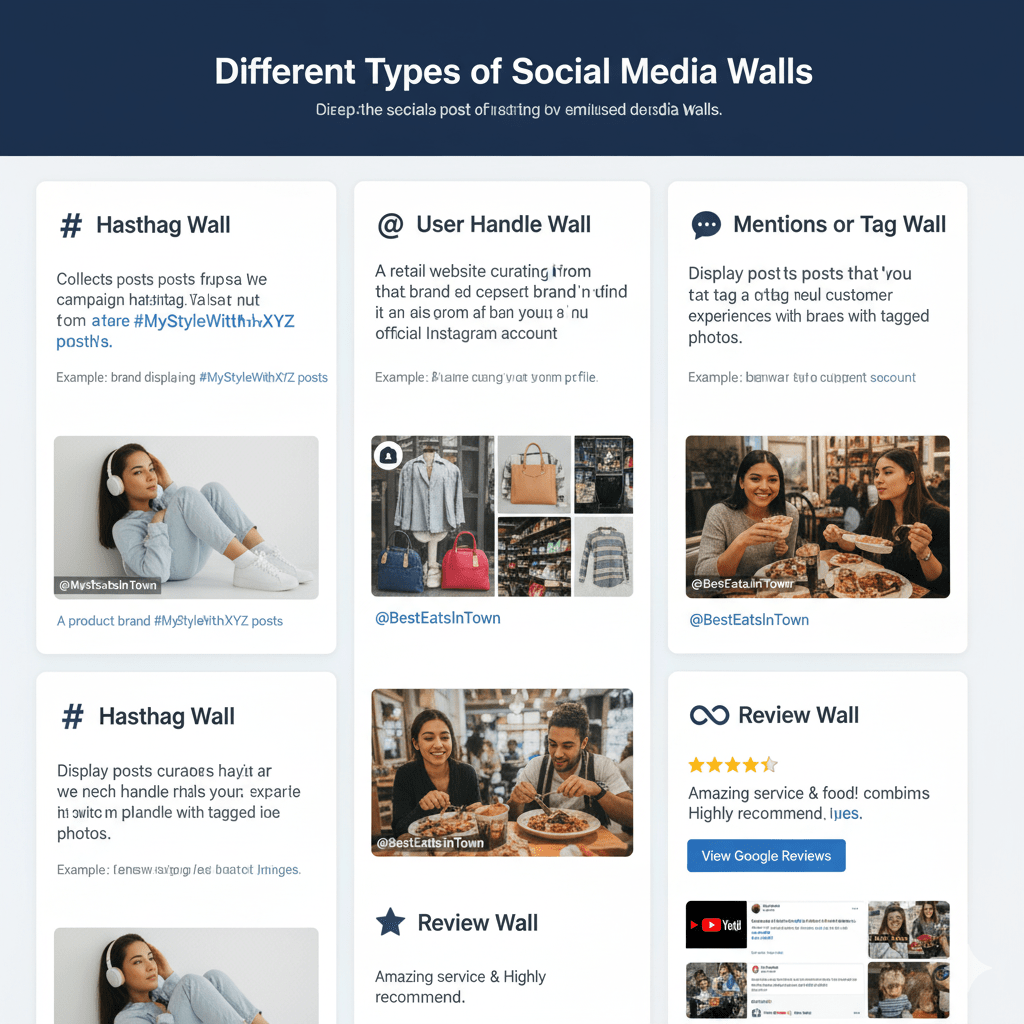
Depending on your goals, you can customize your social media wall on website in various ways. Let’s break down the main types:
Hashtag Wall
Collects posts from a specific campaign hashtag — great for events or launches.
Example: A product brand displaying #MyStyleWithXYZ posts from customers in real time.
User Handle Wall
Aggregates posts from your brand’s social profiles.
Example: A retail website curating posts from its official Instagram account to highlight new arrivals.
Mentions or Tag Wall
Displays posts that tag or mention your brand handle.
Example: Restaurants showcasing real customer experiences with tagged photos.
Review Wall
Highlights testimonials or Google reviews, building instant trust with visitors.
Mixed Feed Wall
Combines multiple content sources for a diverse visual story — perfect for dynamic homepages or landing pages.
Each type serves a different purpose but shares a common outcome: higher engagement, authenticity, and social proof.
4 Best Places to Add Social Media Walls
Strategic placement determines how effectively your social wall website performs. Here are the top areas to embed it:
Homepage
Feature it near the fold to boost brand credibility and show live audience love.
Product or Service Pages
Add a social media wall on website that highlights customers using your product — this reinforces trust and inspires action.
Event or Campaign Pages
If you host digital or hybrid events, integrate a social wall for website showing attendee posts and updates. This makes the event feel alive.
About or Community Pages
Display UGC or employee-generated content to build authenticity and emotional connection. Embedding is simple — platforms like Social Walls offer iframe or WordPress plugins, making integration effortless.
What Are the Benefits of Social Media Walls
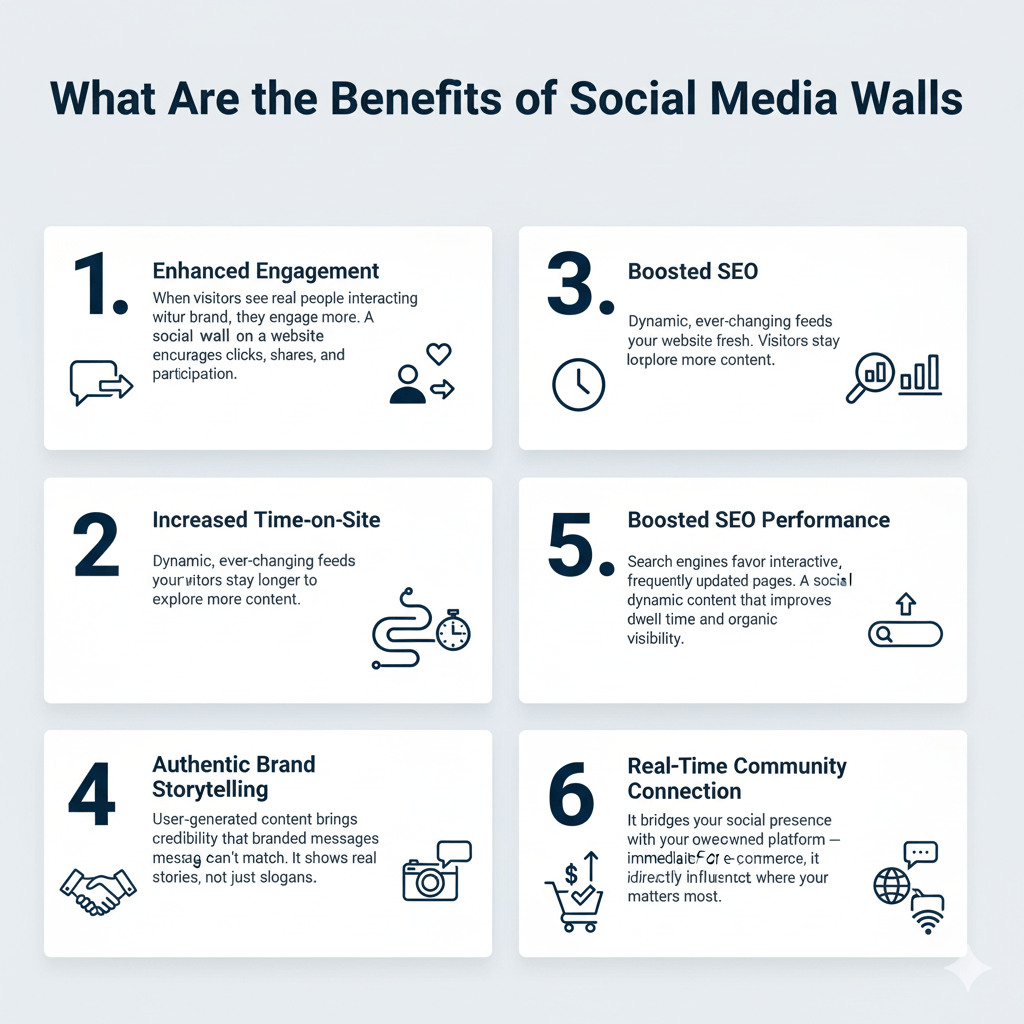
The advantages of using a social media wall go far beyond aesthetics. Here’s what they deliver:
1. Enhanced Engagement
When visitors see real people interacting with your brand, they engage more. A social wall on website encourages clicks, shares, and participation.
2. Increased Time-on-Site
Dynamic, ever-changing feeds keep your website fresh. Visitors stay longer to explore more content.
3. Boosted SEO Performance
Search engines favor interactive, frequently updated pages. A social media wall website adds dynamic content that improves dwell time and organic visibility.
4. Authentic Brand Storytelling
User-generated content brings credibility that branded messages can’t match. It shows real stories, not just slogans.
5. Conversion and Trust Uplift
Seeing others’ positive experiences builds immediate trust. For e-commerce, it directly influences purchase decisions.
6. Real-Time Community Connection
It bridges your social presence with your owned platform — allowing audiences to interact where it matters most.
10 Inspiring Social Media Wall Examples for Websites
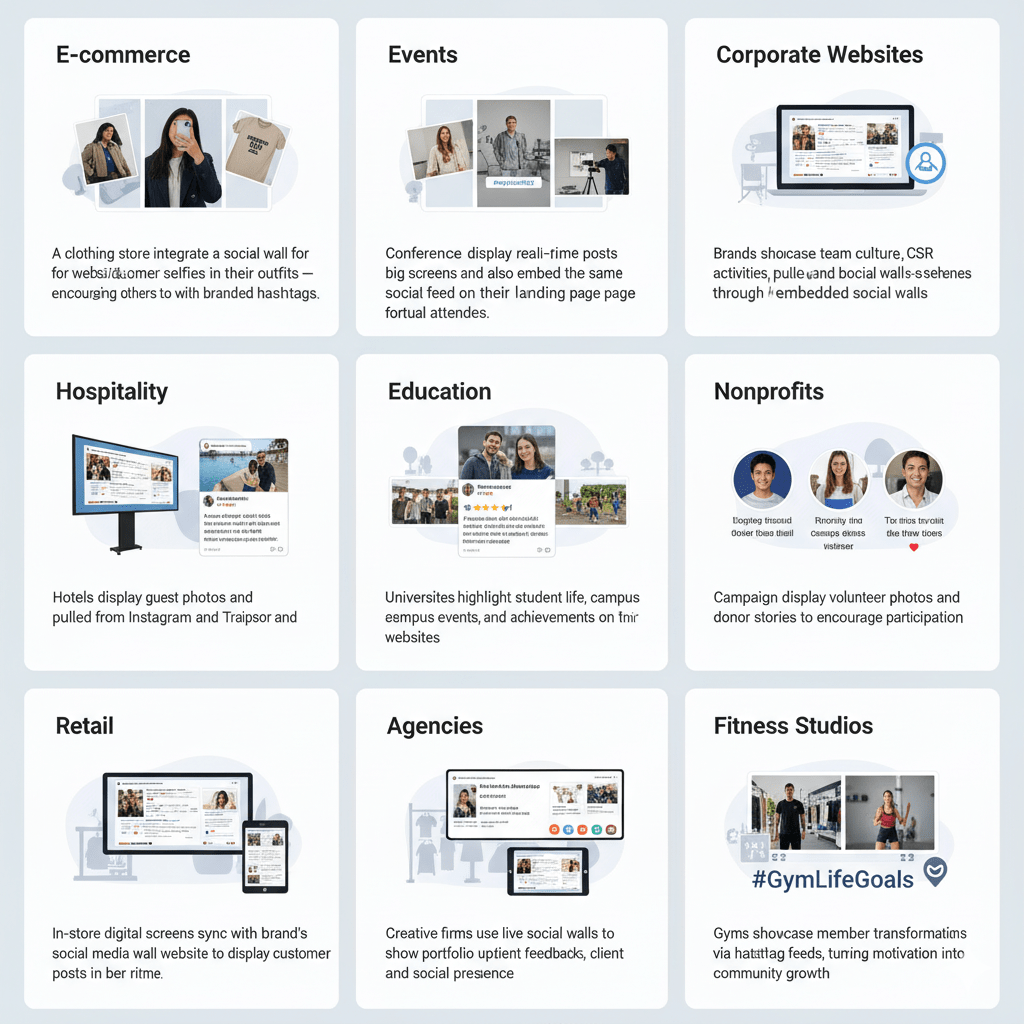
- E-commerce:
A clothing store integrates a social wall for website displaying customer selfies in their outfits — encouraging others to post with branded hashtags. - Events:
Conferences display real-time posts on big screens and also embed the same social wall website feed on their event landing page for virtual attendees. - Corporate Websites:
Brands showcase team culture, CSR activities, and behind-the-scenes moments through embedded social walls. - Hospitality:
Hotels display guest photos and testimonials pulled from Instagram and TripAdvisor. - Education:
Universities highlight student life, campus events, and achievements on their websites. - Nonprofits:
Campaigns display volunteer photos and donor stories to encourage participation. - Retail:
In-store digital screens sync with the brand’s social media wall website to display customer posts in real time. - Agencies:
Creative firms use live social walls to show portfolio updates, client feedback, and social presence. - Fitness Studios:
Gyms showcase member transformations via hashtag feeds, turning motivation into community growth. - Virtual Events:
Hybrid event pages embed social walls alongside live sessions, merging both physical and online engagement seamlessly.
How to Create a Social Media Wall for Your Website and Digital Screens
Setting up a social media wall on website is easier than most expect. Here’s a simple process:
- Choose a Platform
Tools like Social Walls or similar aggregators let you collect posts from multiple channels with moderation controls. - Select Sources & Hashtags
Pick hashtags, handles, or pages to pull content from. Filter posts to match your brand’s tone. - Customize the Design
Adjust fonts, layouts, and background styles to blend with your site’s branding. - Moderate Content
Approve or reject posts to maintain brand safety and content quality. - Embed on Website
Copy the embed code or install the plugin where you want the wall to appear. - Analyze Performance
Monitor engagement metrics like impressions, clicks, and dwell time to measure success.
Closing Thoughts
A social media wall on website is no longer a trend — it’s a necessity in 2025. It humanizes your digital presence, builds community, and drives measurable engagement.
Whether you’re a brand, educator, event organizer, or creator, using tools like Social Walls lets you blend storytelling and technology effortlessly. The result: a website that not only looks alive but feels alive — powered by your audience.
FAQs
1. Can a social media wall improve SEO?
Yes. Fresh, interactive content improves engagement and dwell time — key signals search engines track.
2. Is it easy to manage content moderation?
Platforms like Social Walls provide real-time moderation and filtering to ensure brand-safe content.
3. Can I use it on multiple pages?
Absolutely. You can embed the same social wall for website feed across landing pages, blogs, or even digital signage.






 Social Media Wall News
Leave a comment