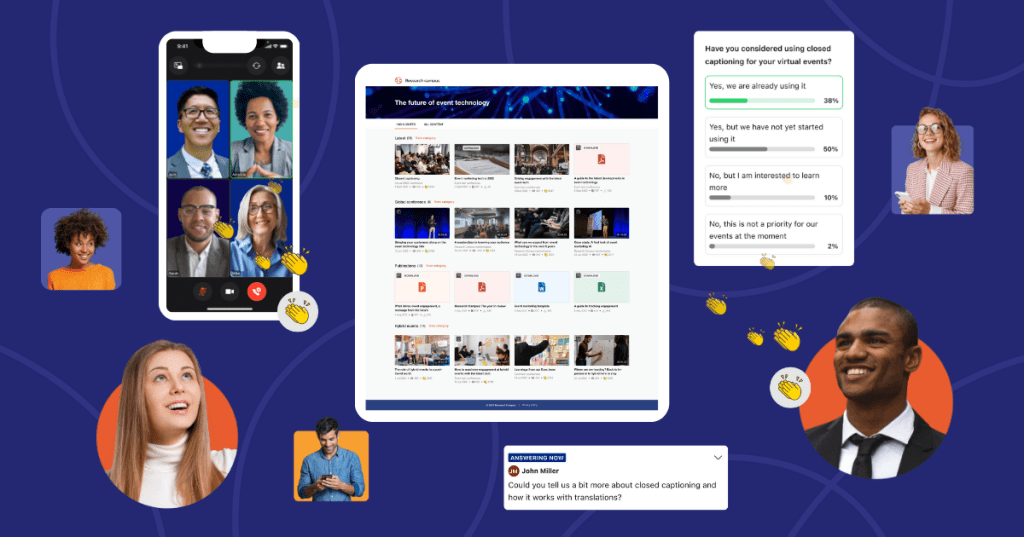
Virtual event engagement strategies refer to proven tactics that transform passive attendees into active participants during online events. These strategies encompass everything from interactive tools to personalized content approaches designed to keep audiences invested throughout the entire experience.
Unlike traditional in-person events where natural engagement happens through hallway conversations and spontaneous interactions, virtual event engagement requires intentional design. Experts recognize that without deliberate engagement mechanisms, attendees become disengaged viewers rather than active participants. This distinction directly impacts event ROI and attendee satisfaction.
The challenge isn’t finding strategies—it’s implementing the right combination that aligns with your audience, event format, and business goals.
Why Virtual Event Engagement Matters
In 2025, virtual events have become standard practice across industries. However, research shows that virtual event attendee engagement levels vary dramatically based on execution. Events with structured engagement frameworks see 3-4x higher participation rates compared to standard webinar formats.
Engagement directly influences:
Attendee Retention: Participants who actively engage stay longer and consume more content. Interactive elements increase session completion rates by 45%.
Knowledge Transfer: Active participation through polls, Q&A, and discussions increases information retention by 60% compared to passive viewing.
Business Outcomes: Engaged attendees convert at higher rates, generate better leads, and become repeat participants.
Community Building: Meaningful interactions during virtual events create lasting professional relationships and strengthen brand loyalty.
Without intentional engagement strategies, you’re essentially hosting a broadcast rather than an interactive experience.
12 Proven Virtual Event Engagement Strategies
1. Launch with Interactive Icebreakers
Start strong by immediately establishing an interactive, welcoming tone. Use opening polls, live chat introductions, or quick-fire questions that invite participation from minute one. This signals to attendees that engagement is expected and valued, not optional.
2. Implement Real-Time Polling & Quizzes
Live polls transform passive consumption into active participation. Deploy polls throughout sessions—not just during Q&A—to gather feedback, spark discussion, and keep energy high. Quizzes with rewards motivate attendees to pay close attention.
3. Create Breakout Rooms for Smaller Discussions
Large group settings inhibit participation, especially for introverted attendees. Breakout rooms organized by topic, industry, or interest create intimate spaces for meaningful dialogue. Assign skilled moderators to ensure discussions stay focused and inclusive.
4. Use Gamification with Leaderboards
Introduce point systems, badges, and leaderboards tied to participation activities—answering Q&A correctly, engaging in chat, attending all sessions. Offer real incentives like gift cards or exclusive access for top participants. Gamification adds fun while driving behavioral engagement.
5. Integrate Live Chat & Q&A Features
Enable continuous conversation through live chat alongside dedicated Q&A sessions. This transforms attendees from passive listeners into active contributors. Professionally moderated chats filter noise while highlighting valuable questions. Chat activity metrics also reveal audience sentiment in real-time.
6. Offer Networking Lounges & Speed Networking
Recreate hallway conversations through dedicated networking spaces. Speed networking sessions—brief, moderated one-on-one or small group video calls—help attendees make meaningful professional connections. These interactions often outlast the event itself.
7. Deploy Interactive Whiteboards & Collaborative Tools
Whiteboards, shared documents, and collaborative problem-solving sessions during breakout rooms encourage active thinking. Rather than listening passively, attendees co-create content and solutions, increasing investment in outcomes.
8. Personalize Content Recommendations
Use attendee data to recommend sessions, speakers, or networking matches aligned with their interests. Personalization increases session attendance by 28% compared to generic scheduling. This tailored approach makes attendees feel understood and valued.
9. Use Interactive Agendas via Event Apps
Empower attendees to customize their experience through event apps where they bookmark sessions, set reminders, and receive real-time updates. Interactive agendas increase session attendance by allowing attendees to plan strategically. Push notifications strategically remind users of upcoming sessions.
10. Incorporate Social Media Integration
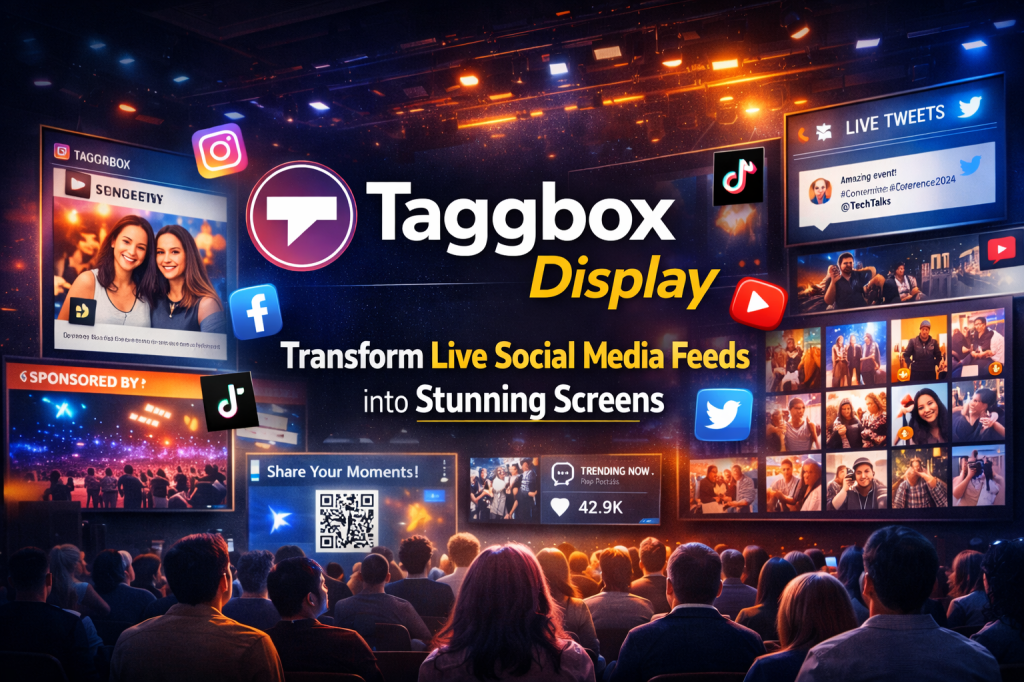
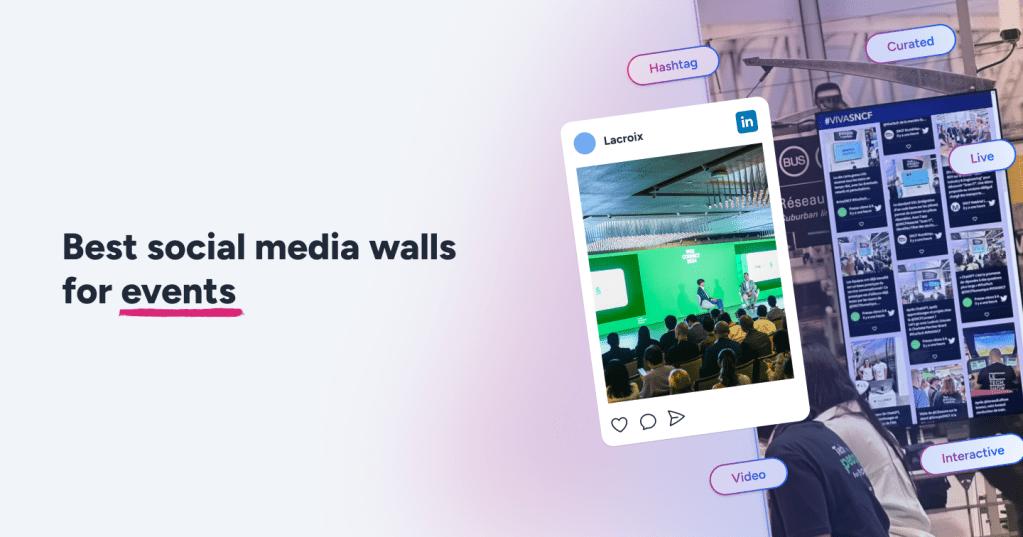
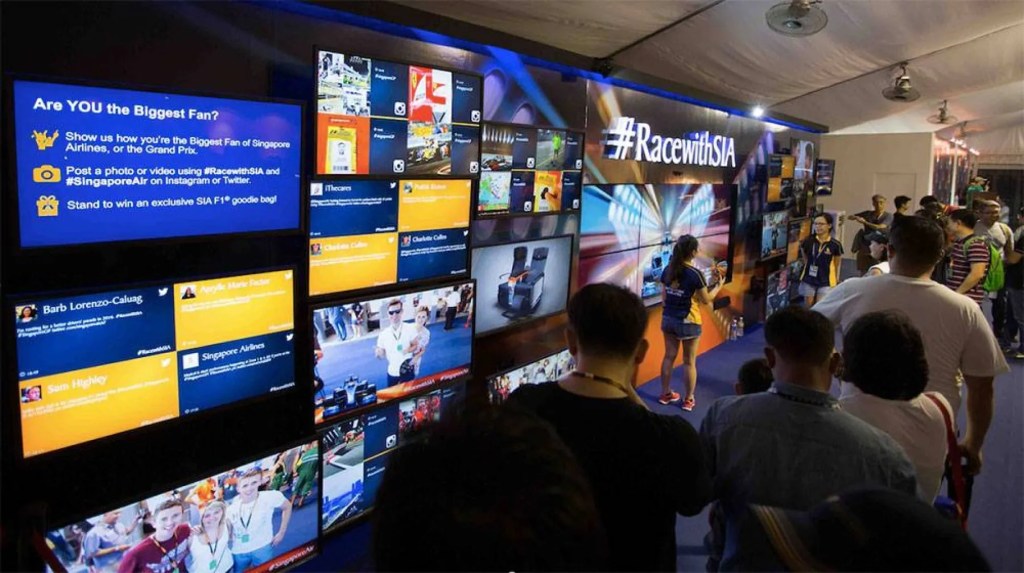
Create branded event hashtags and encourage live social posting. Feature a live social media wall during the event to amplify attendee voices in real-time. This extends reach beyond registered attendees and creates lasting FOMO for those who miss it.
11. Leverage Pre-Event Email Sequences
Begin engagement before the event starts through segmented email campaigns. Share speaker bios, session highlights, and behind-the-scenes content in drip sequences that build anticipation. Personalized pre-event emails increase attendance rates significantly.
12. Measure & Optimize Using Real-Time Analytics
Track engagement metrics like poll response rates, chat activity, and breakout room participation. Use this data during the event to adjust pacing or add interactive elements as needed. Post-event analysis informs improvements for future virtual events.
Virtual Event Engagement Tools That Experts Recommend
The right tools amplify strategy effectiveness. Leading platforms now include:
Polling & Quiz Tools: Slido, Mentimeter, and Poll Everywhere enable real-time feedback collection and audience interaction.
Networking Platforms: AI-powered matchmaking connects attendees based on shared interests and professional goals.
Interactive Widgets: Live chat, Q&A, leaderboards, and gamification features built into event platforms.
Analytics Dashboards: Real-time engagement tracking helps organizers monitor participation and adjust on the fly.
Breakout Room Management: Automated assignment and moderation of discussion groups.
Experts recommend selecting platforms that integrate multiple engagement features rather than piecing together separate tools.
Best Practices for Maximizing Attendee Engagement
Start Intentionally: Begin with energy and clear expectations about interactive participation. Set the tone that engagement is central to the event, not peripheral.
Maintain Momentum: Space engagement activities strategically throughout the event rather than clustering them at the beginning. This prevents attention fatigue and keeps audiences invested.
Empower Moderators: Train moderators to facilitate discussions, highlight valuable questions, and maintain inclusive environments. Strong moderation prevents chat chaos while encouraging meaningful dialogue.
Balance Content & Interaction: Avoid extending pure-content segments beyond 10-15 minutes without interactive breaks. Alternate between speaker presentations and participant activities.
Offer Flexibility: Provide multiple ways to engage—some attendees prefer chat, others Q&A, others breakout discussions. This inclusive approach maximizes participation across personality types.
Follow Up Post-Event: Send recordings, resource links, and connection facilitation within 48 hours. This extends engagement beyond the event and increases ROI on relationships formed.
Measuring Virtual Event Engagement Success
Track these metrics to quantify effectiveness:
Participation Rates: Percentage of attendees engaging with polls, Q&A, or chat features.
Session Attendance: How many registered attendees attended sessions, breakout rooms, or networking activities.
Chat Activity: Volume and sentiment of live chat interactions, indicating audience interest.
Completion Rates: Percentage finishing the full event versus dropping off midway.
Post-Event Surveys: Direct feedback on engagement quality and satisfaction.
Lead Quality: Sales team assessment of attendee-generated leads from networking interactions.
Frequently Asked Questions About Virtual Event Engagement Strategies
What are the most effective virtual event engagement ideas for large audiences?
For large audiences (500+ attendees), combine automated polling tools with interactive features like live chat, Q&A, and networking lounges. Breakout rooms work best with 15-50 participants per session. Use leaderboard-based gamification to drive participation across all audience sizes.
How can I measure virtual event attendee engagement during live events?
Real-time analytics dashboards track poll response rates, chat messages, Q&A participation, and attendance per session. Monitor which sessions have highest engagement rates—this indicates content resonance. Use sentiment analysis on chat content to gauge audience mood throughout the event.
Which virtual event engagement tools work best for B2B events?
B2B audiences prefer professional networking features, educational content, and lead capture mechanisms. Tools like LinkedIn integration, one-on-one video meetings, and session-specific Q&A sessions work well. Analytics that track lead scoring and follow-up readiness are essential for ROI measurement.
How do I prevent virtual event engagement from dropping mid-event?
Maintain energy by alternating between presentations and interactive activities every 10-15 minutes. Use unexpected engagement moments like flash polls or surprise speaker announcements to recapture attention. Recognize and celebrate active participants to encourage others.
What’s the best way to drive pre-event engagement?
Send segmented email sequences highlighting speaker expertise, session topics, and exclusive pre-event content. Create curiosity by teasing unique engagement elements attendees can only experience live. Offer early bird incentives for registering and completing pre-event surveys.
How can virtual event engagement tools improve networking outcomes?
Use AI-powered matchmaking to connect attendees with shared interests before the event. During the event, schedule dedicated speed networking sessions with time blocks for one-on-one video calls. Provide attendee directories and connection requests to facilitate ongoing relationships post-event.
What role does personalization play in virtual event attendee engagement?
Personalization increases participation by 28-35% because attendees feel the event is relevant to their specific needs. Use registration data to customize session recommendations, networking suggestions, and content delivery. Send personalized reminder emails 24 hours before sessions attendees registered for.
How do I handle technical issues without disrupting virtual event engagement?
Have backup speakers, clear communication protocols, and moderator training on troubleshooting. Inform attendees of contingency plans upfront to prevent panic. Use interactive chat during technical breaks to maintain engagement.
Conclusion
Virtual event engagement strategies have evolved from nice-to-have extras to core event requirements in 2025. The experts leading high-impact virtual events recognize that attendee participation directly correlates with business outcomes—from lead quality to brand loyalty to knowledge transfer.
Virtual event engagement success isn’t about having the fanciest tools or the most complex gamification systems. It’s about intentional design choices made throughout the event lifecycle. Beginning with clear engagement expectations, sustaining momentum through strategic activities, empowering moderators to facilitate meaningful interactions, and measuring results—this is what separates memorable events from forgettable ones.

 Social Media Wall News
Leave a comment