They load fast. They look neat. But nothing really happens on them. You scroll, read a headline, maybe skim a paragraph, and leave. No surprise, no movement, no sense that real people are involved right now.
Not because they’re flashy, but because they make a website feel lived-in. When someone lands on a page and immediately sees short TikTok clips from customers, creators, or event attendees, the experience changes. It stops feeling like marketing and starts feeling like proof.
Adding a TikTok wall to a website isn’t about aesthetics anymore. It’s about showing visitors that your brand isn’t talking at people—it’s being talked about.
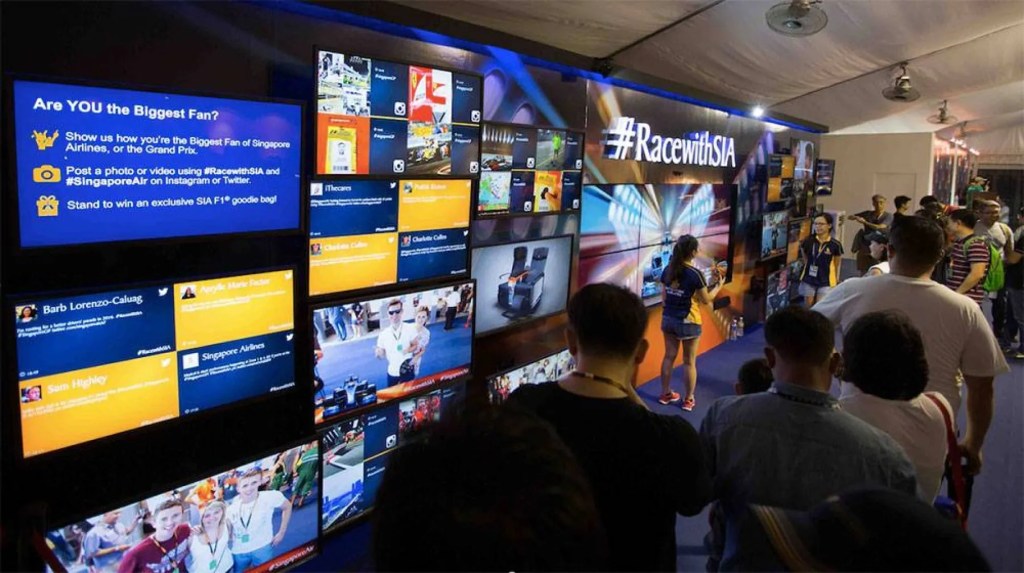
And when events are involved, that effect multiplies fast. A TikTok wall for events doesn’t just sit on a screen. It quietly encourages people to participate because, suddenly, participation is visible.
What Is a TikTok Wall
Despite how it sounds, there’s no complex magic here.
A TikTok wall is simply a visual feed that pulls together TikTok videos connected to a hashtag, account, or campaign and displays them in one place. That place could be a section of your website, a landing page, a virtual event platform, or a massive LED screen at a venue.
If you’ve ever stood at a conference and watched posts pop up live behind a speaker, you already understand the idea. The difference is the format. TikTok’s short videos carry more personality, more energy, and frankly, more honesty than most brand-created content.
The important part isn’t the technology—it’s placement. Instead of forcing visitors to leave your site and scroll TikTok on their own, you bring that content into your space. People pause. They watch. They stay longer than they intended to.
Why TikTok Walls Matter So Much More in 2025
TikTok stopped being “just another social platform” a while ago.
In 2025, it’s where trends break, opinions form, and trust gets built long before a purchase happens. Brands have figured this out, but many still struggle with one thing: visibility.
Posting on TikTok alone isn’t enough. The content disappears into feeds. A TikTok wall fixes that by helping you display social media content where attention already exists—your own website, campaign pages, or event screens.
There’s another layer here that’s easy to overlook. People believe people. Not brands. When visitors see customers, fans, or attendees speaking in their own words, there’s no hard sell required. Trust forms quietly.
That’s why TikTok walls aren’t a trend anymore. They’re becoming part of how modern brands communicate credibility.
The Real Benefits of Adding a TikTok Wall
The benefits of a TikTok wall aren’t dramatic on paper—but they are obvious in practice.
- People stick around longer
A moving feed of short videos naturally holds attention better than static images or long blocks of text. - Credibility feels earned, not manufactured
Real people talking carries more weight than any testimonial section ever will. - Your audience creates the content for you
Instead of constantly producing new assets, you let the community fill the wall organically. - Reach grows without paid spend
Hashtags fuel the wall, and the wall encourages more posts. It’s a loop that sustains itself. - Sponsors get visibility without disruption
Especially at events, branding around a TikTok wall feels integrated, not intrusive.
When you step back, the benefits of a TikTok wall are mostly psychological. People feel included. And inclusion drives engagement better than any CTA.
How People Actually Add a TikTok Wall to Their Website
There’s no single setup that fits everyone, and that’s fine.
1. Plugins and Widgets
If you’re running on WordPress, Shopify, or similar platforms, plugins are usually the fastest way in. You drop a feed into a page, do light styling, and go live.
This works well when the goal is simple visibility.
2. Social Wall Platforms
This is where most brands land eventually. Social wall tools let you build a TikTok wall, moderate content, adjust layouts, and embed it almost anywhere.
The advantage is balance—control without building from scratch.
3. Custom Builds via API
Larger teams sometimes go fully custom. More control, more effort, more responsibility. It makes sense when branding and UX are highly specific.
Whatever method you choose, the point stays the same: the TikTok content should feel like it belongs on the page, not like an add-on.
Why TikTok Walls Work Especially Well at Events
This is where things shift from “interesting” to “effective.”
A TikTok wall for events creates a feedback loop people don’t expect. Someone posts a video. Minutes later, it’s on a big screen. Others notice. They post too.
Suddenly, the audience isn’t just attending—they’re contributing.
What’s interesting is how behavior changes once the wall is live. People linger near screens. They point things out. Conversations start around what’s showing. That’s energy you can’t force with announcements.
And afterward? You’re left with content that keeps working long after the event ends.
What Makes a TikTok Wall Actually Worth It
Not every TikTok wall succeeds. Some feel empty. Others feel chaotic.
A few small decisions make the difference:
- Make the hashtag impossible to miss
- Don’t skip moderation (seriously)
- Place the wall where people already gather
- Track engagement beyond views alone
Final Thoughts
Adding a TikTok wall to your website isn’t about being trendy. It’s about letting real voices show up where trust is built. When people see themselves—or people like them—reflected in your brand space, engagement happens naturally. And when that same wall shows up at events, participation stops feeling optional.
FAQ
Will this slow my website down?
Not if it’s implemented properly. Always test performance, though. Speed still matters.
Is it expensive?
It ranges widely. Free options exist, but moderation and layout control usually come with paid tools.
Do I need a developer?
Often no. Unless you’re chasing heavy customization, most setups are manageable without one.
Can I reuse the wall across platforms?
Yes. The same TikTok wall often works across websites, event screens, and virtual experiences.



 Social Media Wall News
Leave a comment